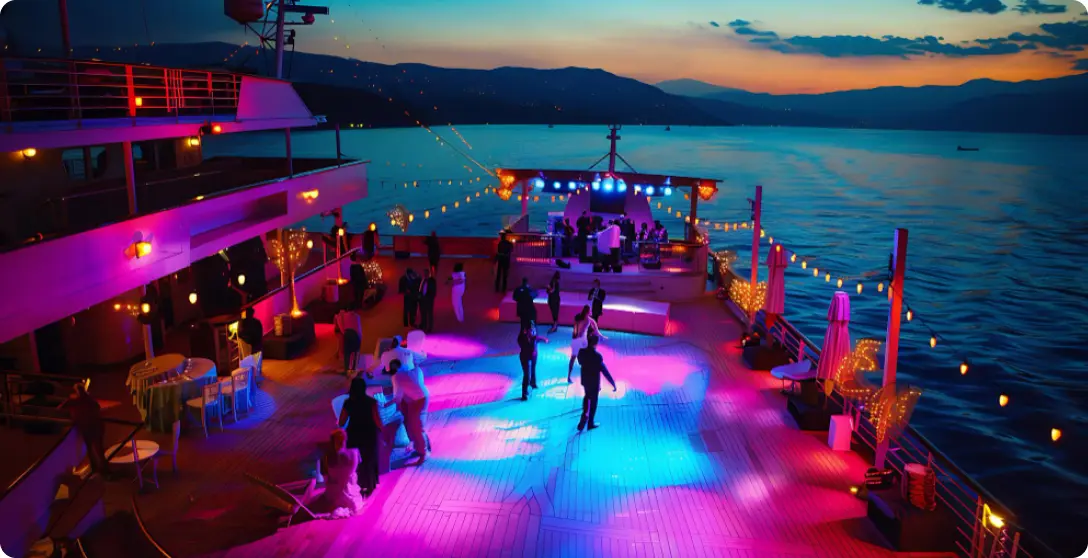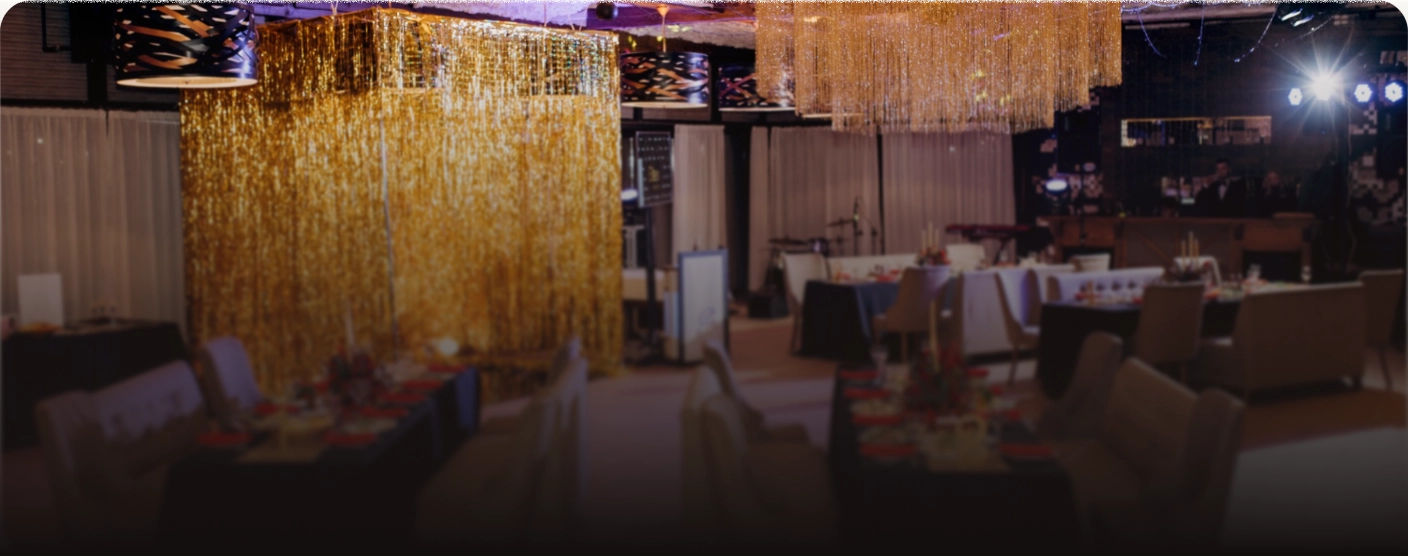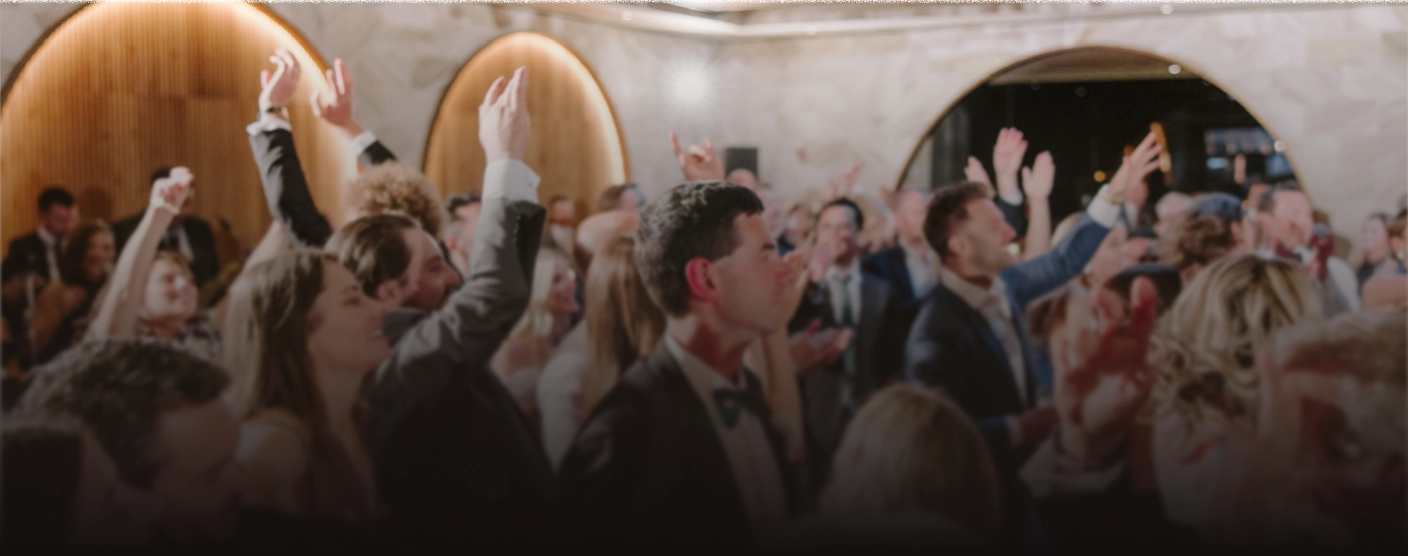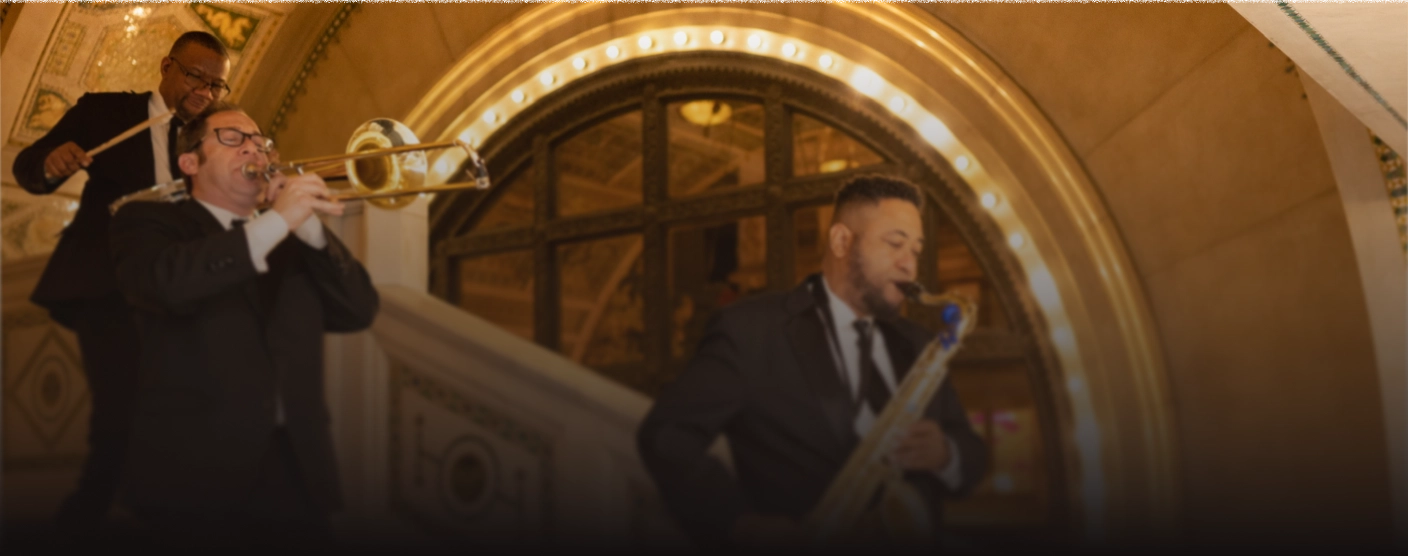
A fundraising gala has a job that most other corporate events don’t: it has to move people emotionally enough that they act on that emotion, usually within the same evening, often in front of their peers. The mission story, the honoree remarks, the paddle raise, or live auction all of it depends on a room that’s been brought to the right emotional temperature at the right moment. Music plays a bigger, more structural role in that than most non-profit event planners initially expect.
Pacing an emotional evening.
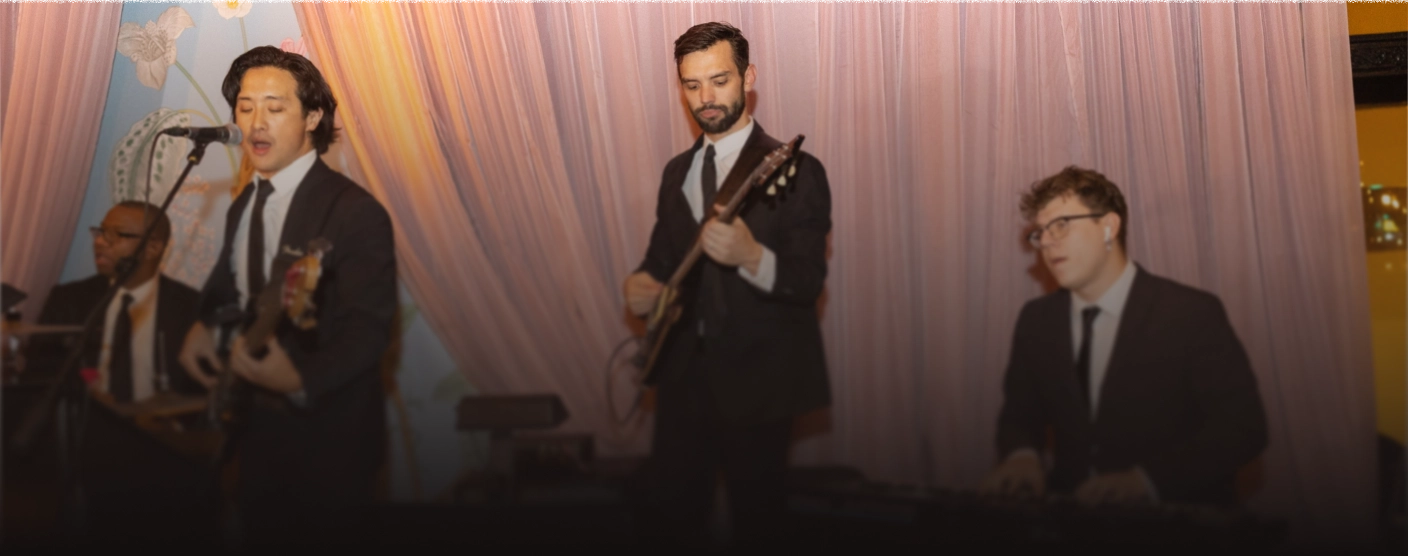
A fundraiser typically moves through a specific emotional arc: warm and welcoming during arrival and cocktail hour, more reflective and focused during the mission presentation or honoree remarks, and then a deliberate lift back into celebration once the ask has been made and the giving has happened. Getting that pacing right means the band isn’t just providing music; it’s actively managing the emotional temperature of the room in coordination with the program, quieting down before a video presentation, building energy back up immediately after a successful paddle raise, giving the room a genuine release once the hard part of the night is over.
Supporting the ask, not competing with it.
The single most important musical moment at most fundraisers is the lead-up to and the immediate aftermath of the ask itself, whether that’s a live auction, a paddle raise, or a straightforward giving moment. Music needs to build anticipation without overwhelming the emcee or auctioneer, then respond to whatever energy the room produces once giving actually starts. A band that reads this moment well can meaningfully extend the energy of a successful ask; one that doesn’t can undercut it by either staying too quiet or coming back in too loud, too soon.
The night after the mission moment.
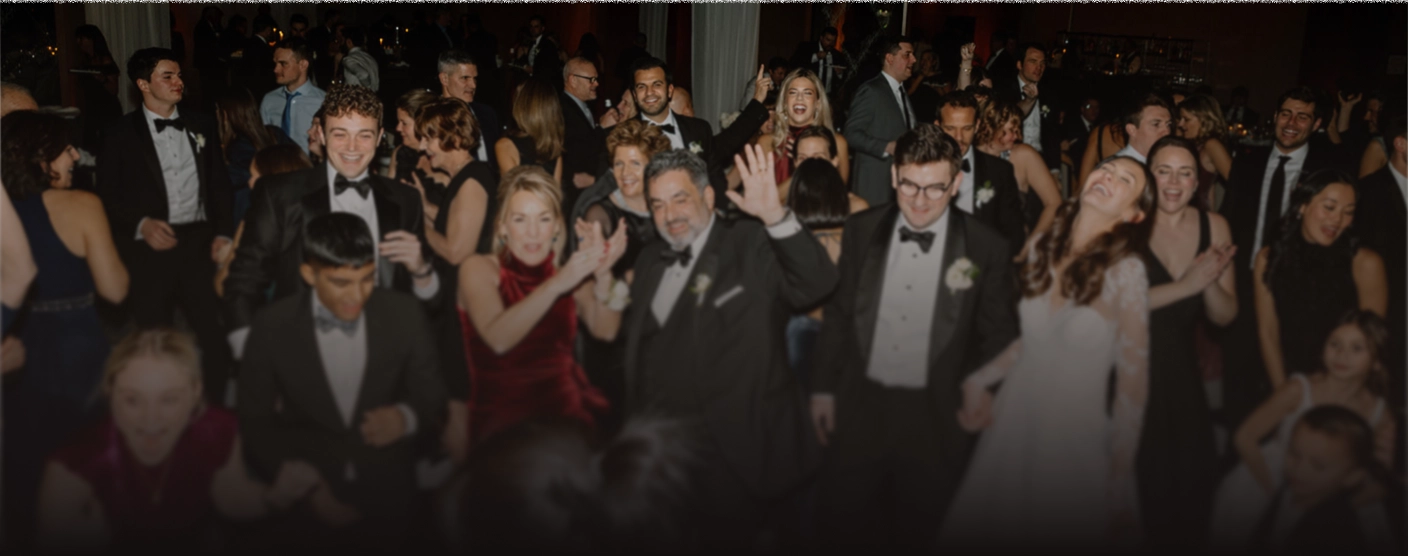
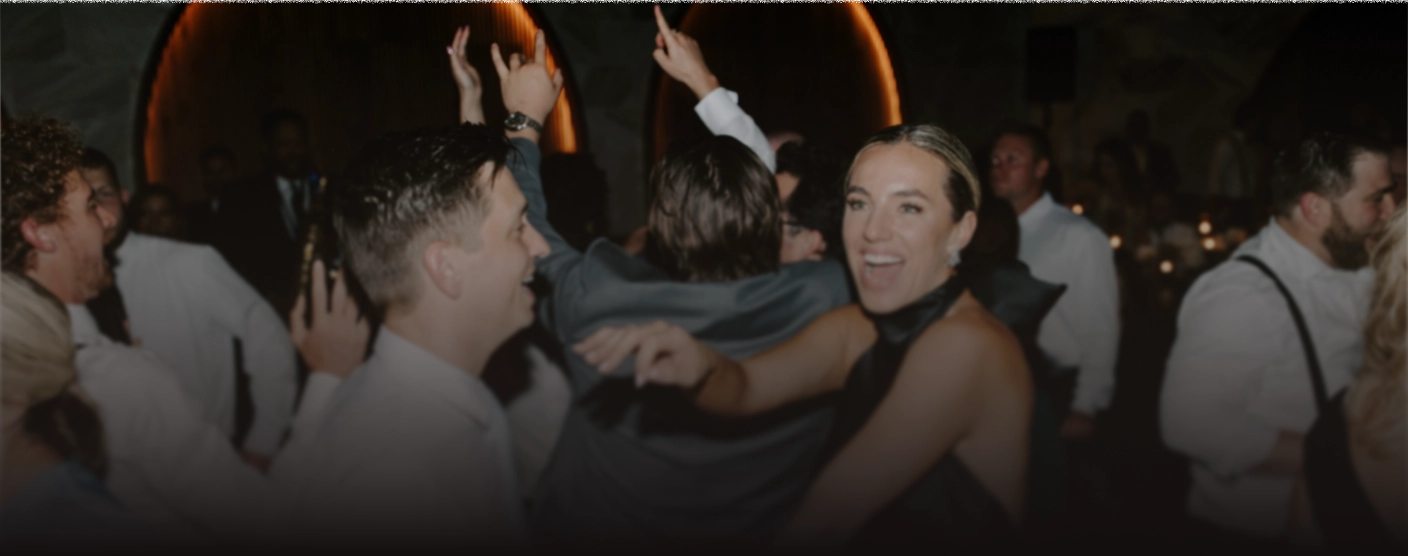
Once the formal fundraising portion of the evening concludes, the room typically wants permission to celebrate genuinely, not performatively. This is where a full dance set matters: donors and guests who’ve just given generously deserve a night that feels like a real celebration in return, not simply a continuation of the formal program at a slightly lower volume.

Respecting the mission without underselling the celebration.
There’s a real tension in fundraiser programming between honoring the seriousness of the cause and still delivering guests a genuinely good night out because for many donors, the willingness to return next year depends partly on whether the event itself was enjoyable, not just meaningful. A band that leans too far into somber, reverent music throughout risks making the whole evening feel heavy; a band that treats it like any other party risks feeling tone-deaf to the mission. The right approach usually means the music is warm and tasteful through the mission-focused portions of the night and only fully opens up once the giving moment has passed and the room has earned its release.
Working with event committees and auctioneers.
Non-profit galas are frequently run by a volunteer event committee working alongside a professional auctioneer or emcee, and coordination between the band and that team matters more here than at almost any other event type because the paddle raise or live auction is usually the single financial engine of the entire evening, and its success can hinge on pacing that the band directly influences. It’s worth having a direct conversation with the auctioneer or program lead ahead of time about exactly how they like to run that segment, so the band’s musical choices support their approach rather than working against it.
Underwriting and in-kind considerations.
Many non-profits secure entertainment as an in-kind donation or a reduced-rate booking specifically because a portion of the evening’s budget is earmarked for the mission rather than production costs. It’s worth having a direct conversation about budget realities early in the planning process; a band experienced with the non-profit gala world understands this dynamic and can often help structure a package that fits both the room’s needs and the organization’s financial reality.
Best for: galas, fundraising dinners, benefit auctions, and any non-profit event built around a giving moment that needs careful emotional pacing before and after it.
Less of a fit if: the event is a smaller donor cultivation dinner without a large-scale ask or program in that case, a lighter, more conversational live-music configuration is usually a better fit than a full band.