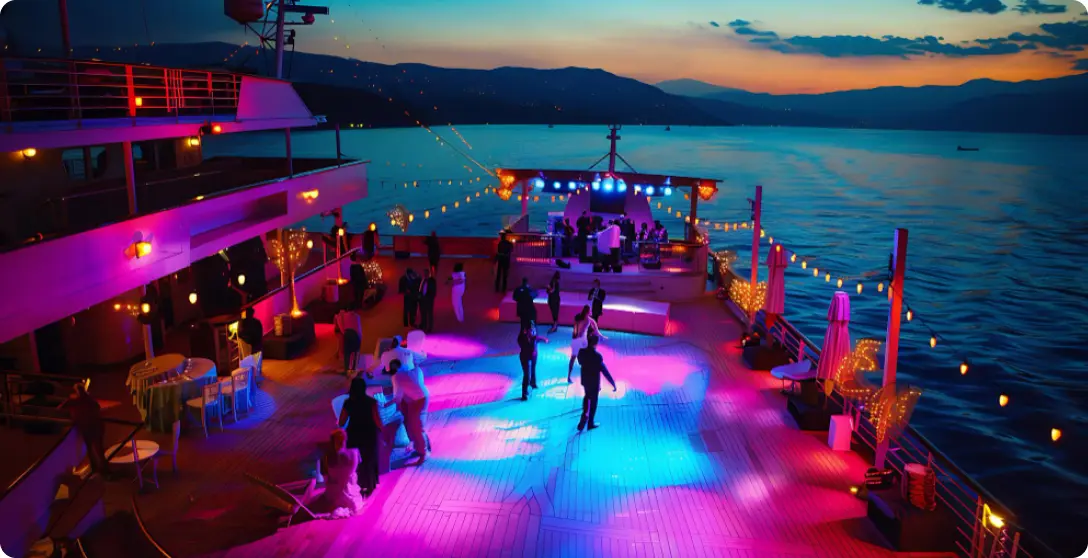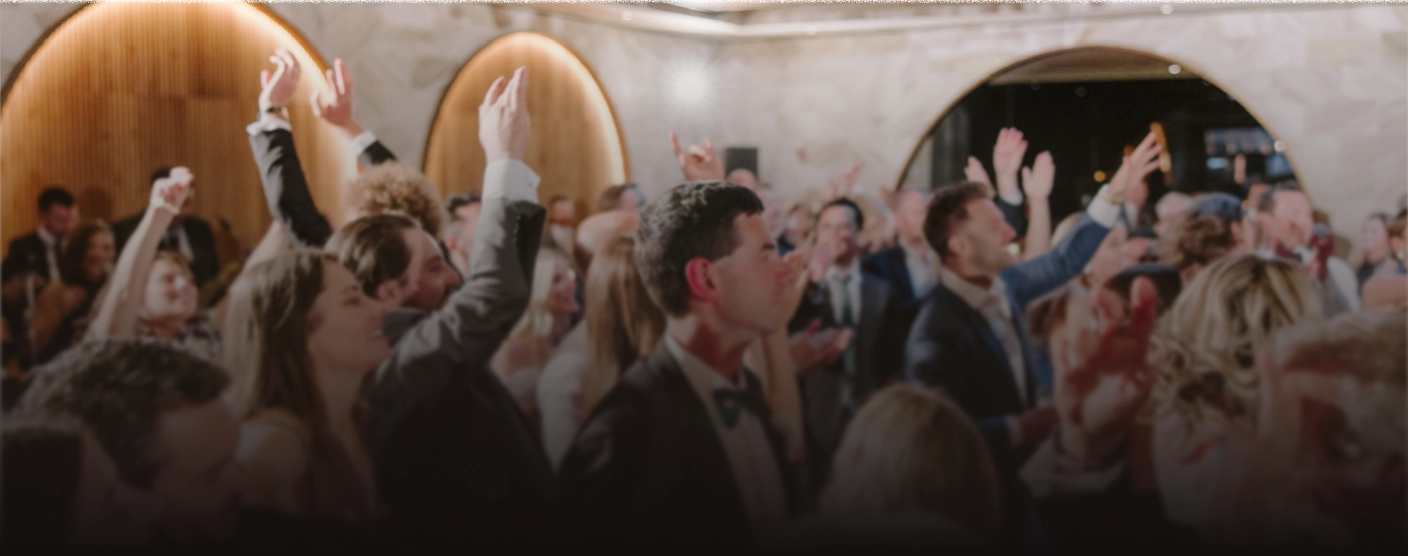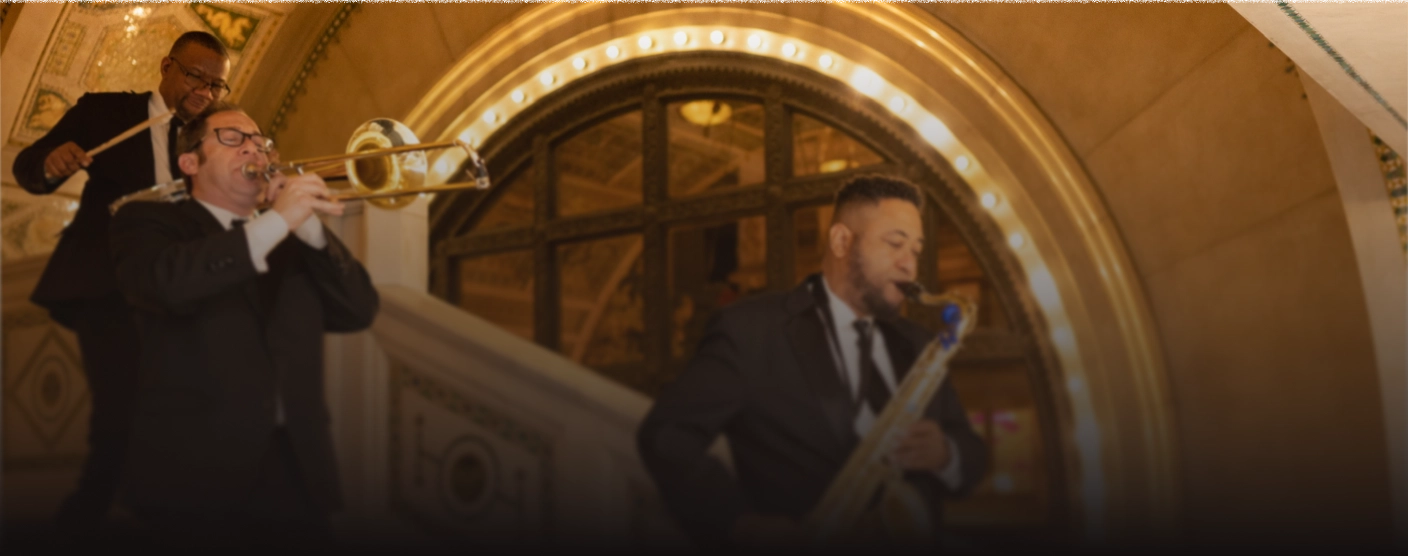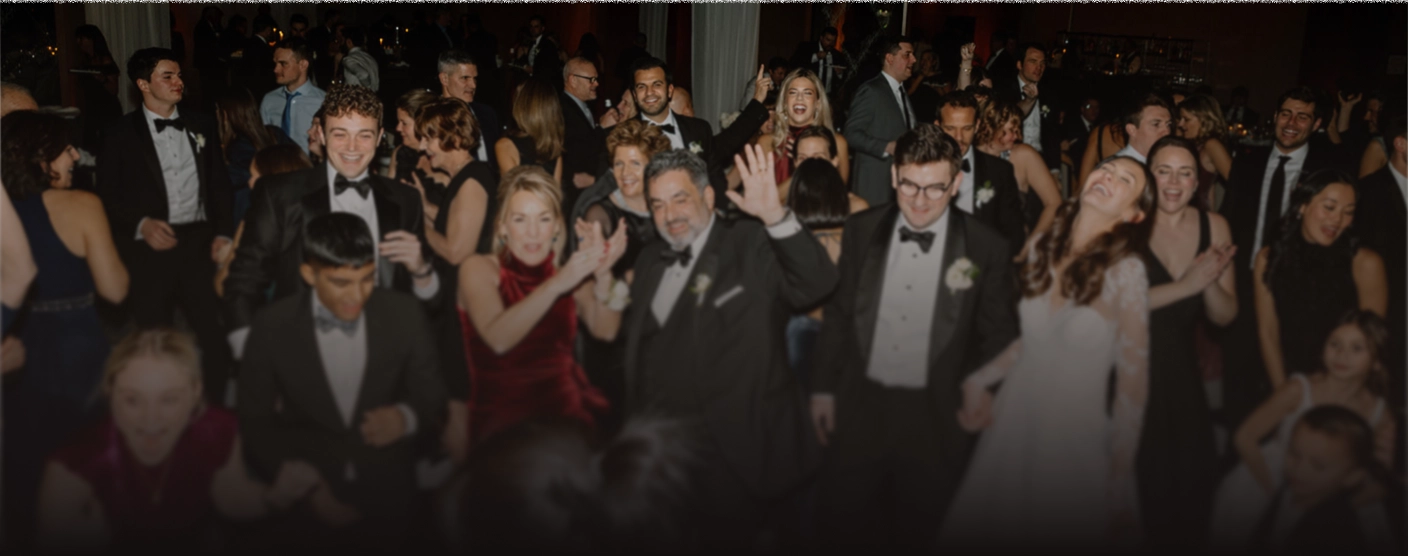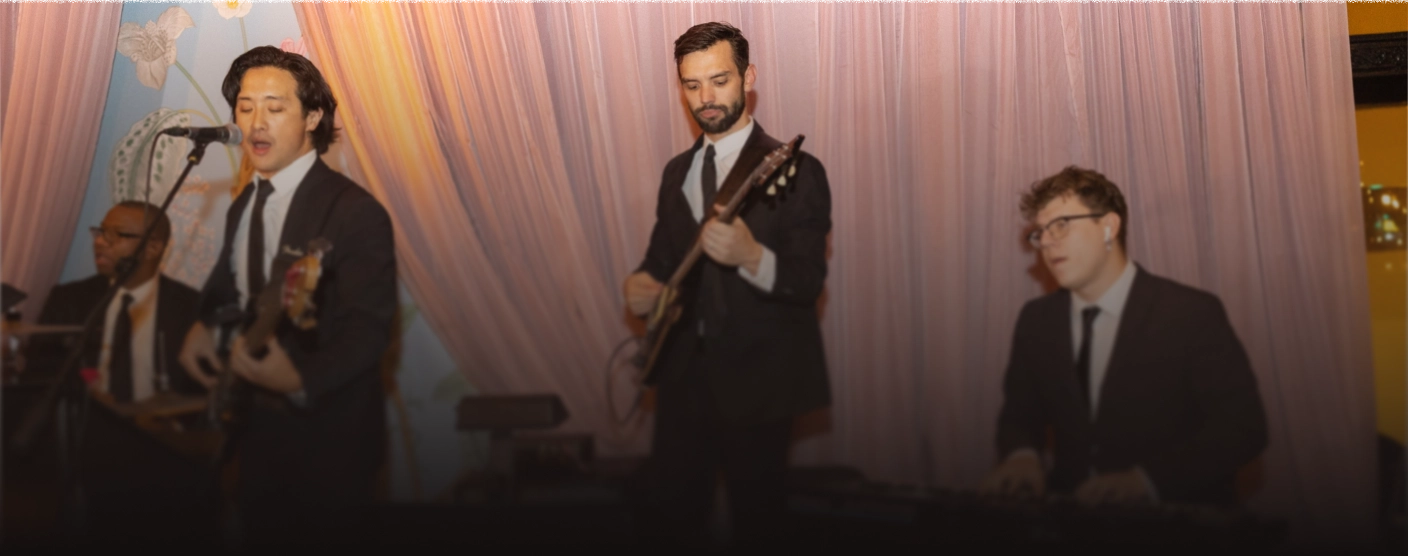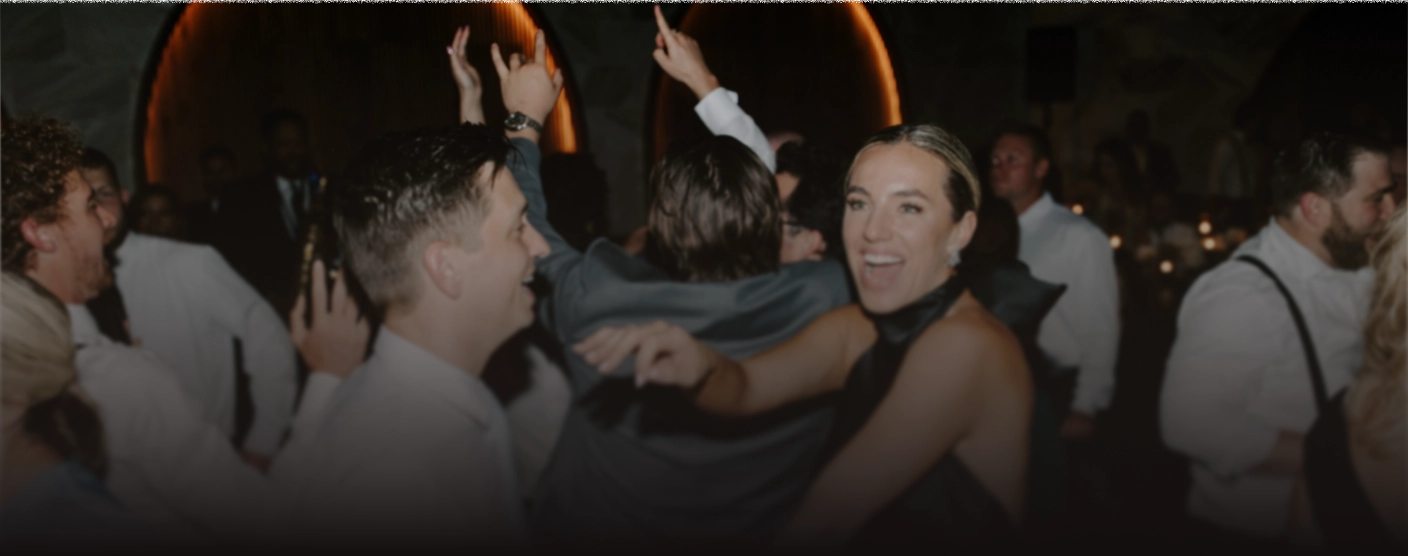
Some holiday parties are one-off events. The ones this category is really built for are the opposite: the annual tradition, the party a family or friend group has thrown every year for a decade or more, where guests show up already knowing roughly what to expect and specifically looking forward to it. That kind of tradition changes what “good” means for the entertainment: the goal isn’t novelty; it’s living up to a standard the party has already set for itself.
The specific pressure of an annual event.
When a party happens every year, the bar for entertainment quietly rises each time, whether anyone says so out loud or not. Guests who’ve attended for several years have an accumulated sense of what a great version of the night feels like, and a band booked for this kind of event is, in a real sense, being measured against every previous year’s party at once. That’s a different kind of pressure than a one-time celebration, and it rewards a band that treats the booking with the same seriousness as a much larger, higher-profile event.
Holiday music, without overdoing it.
Holiday parties invite an obvious temptation to lean heavily on seasonal standards, and a little goes a long way, the right amount of holiday material threaded through a broader, genuinely good set usually lands better than an evening built entirely around seasonal songs on repeat. The most memorable holiday party bands tend to use the season as a flavor rather than the entire menu, keeping the night feeling like a real celebration rather than a themed playlist.
Building in room for guests who bring guests.
Long-running holiday traditions often grow their guest list slowly over the years, the friend who started bringing a plus-one, the colleague who’s now become a regular. That gradual growth means the room’s makeup shifts year to year even when the core hosts and tradition stay the same, and it’s worth revisiting the band’s configuration periodically as the party itself evolves rather than assuming last year’s setup is automatically still the right size.

Continuity, with room to evolve.
Guests who return year after year often have specific moments they look forward to: a particular song, a specific point in the night when the party “really starts,” a tradition within the tradition. A band that plays this kind of event repeatedly over the years can genuinely learn those rhythms and lean into them deliberately, rather than treating each year as a completely fresh booking. At the same time, an annual party benefits from small, deliberate evolutions each year: a few new songs, a slightly different pacing so the tradition stays alive rather than becoming a copy-paste repeat of the year before.
Working around the busiest weeks of the calendar.
Holiday parties cluster into a genuinely narrow window on the calendar, which means booking timelines, availability, and scheduling flexibility all matter more here than for events spread more evenly across the year. Hosts planning an annual holiday tradition benefit from locking in a date and a band well before the season’s busiest weeks fill up, particularly if the tradition has grown to the point where a specific, larger configuration is now expected.
Setting a tone distinct from a corporate holiday party.
It’s worth distinguishing a private holiday tradition from a company holiday party, even when the surface similarities are obvious. A private gathering, even a large one, tends to carry a warmer, more personal register than a corporate event, and the band’s approach should reflect that. This isn’t about being less polished; it’s about the music feeling like it belongs to the specific family or friend group throwing the party rather than a generalized “holiday party” template that could apply anywhere.
Best for: annual holiday gatherings that have become genuine traditions, hosts looking to elevate a long-running party with live music for the first time, and celebrations where the standard has been set by years of prior events.
Less of a fit if: it’s a smaller, casual first-time holiday gathering without an established tradition behind it yet; a lighter, lower-commitment live-music option is likely a better starting point before scaling up in future years.